
Pilates CRM
In pilates the quota is set not by a head count but by the number of machines in the room; with six reformers a seventh booking cannot be taken, and when one machine goes in for maintenance that day's schedule has to be rebuilt. Private, duo and group classes differ in both price and capacity; and which movement a member cannot do stays in the memory of the first instructor.
In equipment classes the quota is not a head count but the number of reformers; capacity sits in the class type field, and when a machine goes for maintenance that day's capacity drops.
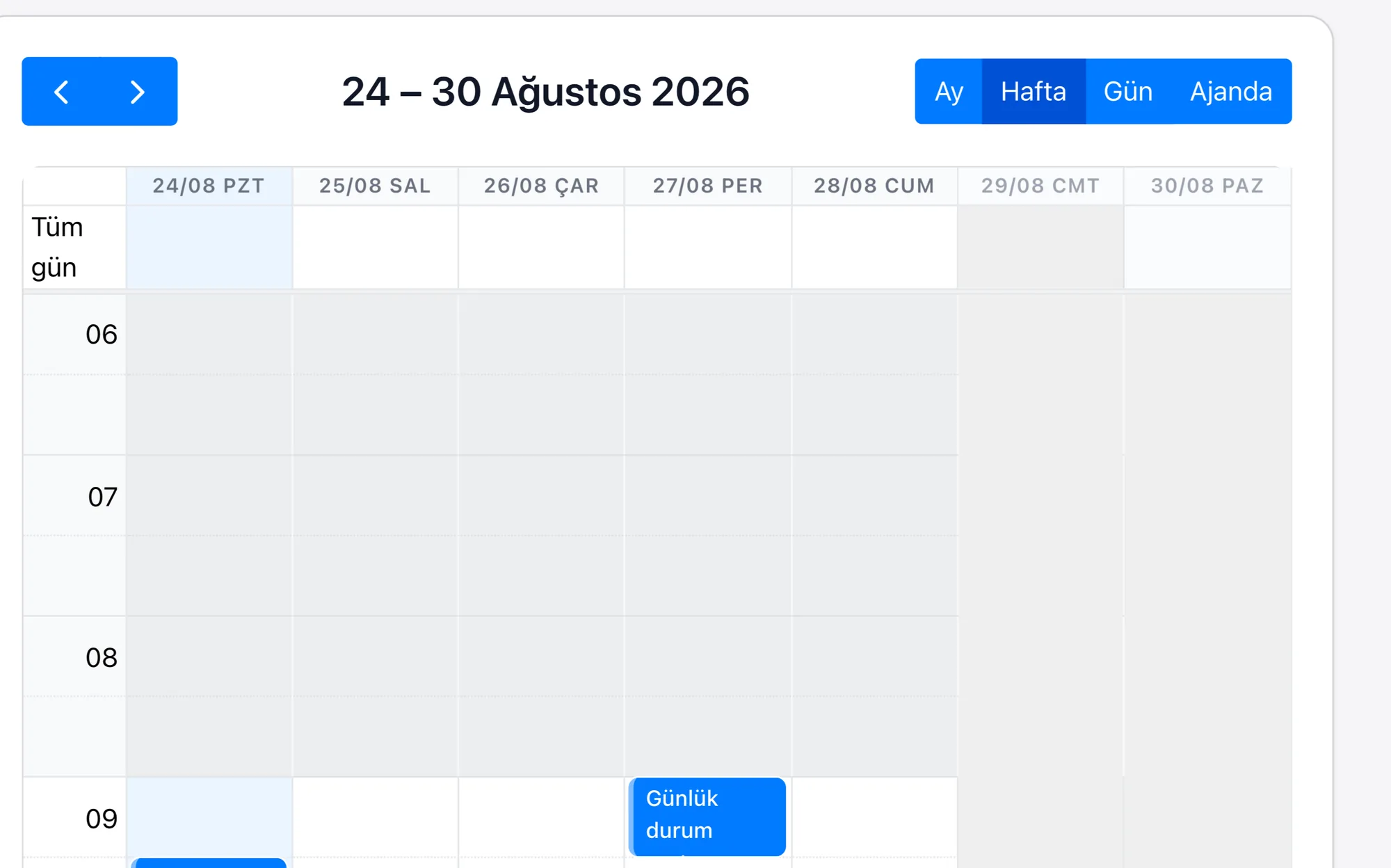
What we set up, and how
- Set up private, duo and group classes as separate class types; define capacity and price separately for each type
- Tie the quota in equipment classes to the number of reformers; when a machine goes in for maintenance, reduce capacity and move the overflow booking to the waiting list
- Define as a rule whether a late cancellation costs a class credit, and notify the member on the waiting list when a place opens up
- Keep the restriction note and the programme end date of a member referred by a physiotherapist on the record, so every instructor who takes the class sees the same note
| Private, Duo and Group Class Types | The class type is a field on the class record; capacity is defined separately for each type, and the price sits on its own line in the price list for each type. |
|---|---|
| Quota per Machine | In a mat class capacity is a head count; in an equipment class it is the number of reformers. When a machine goes in for maintenance that day's capacity is reduced and the overflow booking moves to the waiting list. |
| Restriction Note and Physiotherapy Referral | Injury, pregnancy and doctor's restrictions are fields on the member record; for a member who comes with a post-injury programme, the referring person and the end of the programme sit on the same card. |
| Instructor Certification Level | The certification level is a field on the instructor record; which class types the instructor can teach is read from that field, and an instructor whose level is not sufficient is not assigned to that class in the calendar. |
In a pilates studio a class is not one single type. A private class has a capacity of one person and a price of its own; a duo class takes two; in a group class the quota is set not by the number of people but by the number of machines in the room, because a place depends on a reformer rather than on a mat. In a mat class a seventh person can squeeze in; in an equipment class they cannot. On top of this there is the member's body: a lumbar hernia, shoulder surgery, a pregnancy period, a post-injury programme that arrives on a physiotherapist's referral. This information is taken verbally at the first meeting; when the instructor goes on leave, the person standing in can have that same member perform a movement that is off limits for them.
In Rapitek CRM the class type is a field: capacity is defined separately for private, duo and group classes, and the price sits on its own line in the price list for each type. In an equipment class capacity is tied to the number of reformers; when a machine goes in for maintenance that day's capacity is reduced, the overflow booking moves to the waiting list, and when a cancellation comes in the next member in line is notified. The member's restriction note is a field on the member record; because the class is attached to the member, whoever takes the class that day sees the same note on their screen, and for a member who arrives on a physiotherapist's referral the referring person and the programme end date sit on the same card. The instructor's certification level is a field too, and that field determines which class types they can teach. Whether a cancellation costs the member a class credit is defined as a rule that looks at the time remaining until the class; the decision is left to the record, not to the person at the desk.
What the plans cover and which items are priced separately are set out on the pricing page.
